Join Our Community
Together, we can make a difference. Whether you're a family seeking support or a community partner, we invite you to connect with us and be part of our growing community.
OUR PROGRAMS
-
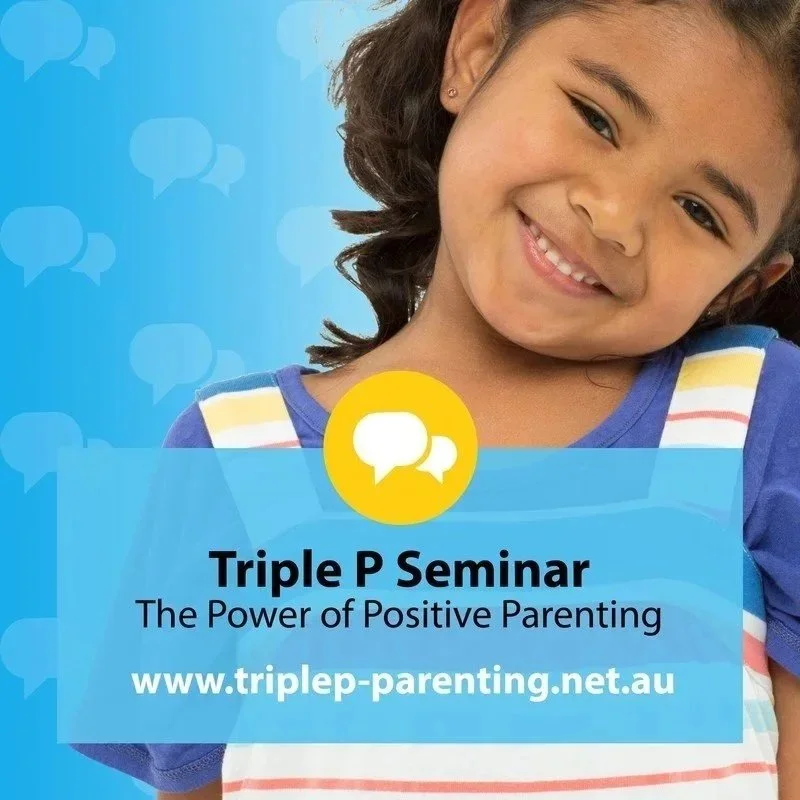
Triple P Stepping Stones
Program delivered face to face with families.
-
Hanen Trained Facilitator
Supporting language and communication skills.
-

Clinical Play Therapy
Clinical play therapy is a structured, evidence-based approach in which trained therapists use play, children’s natural language to help them express feelings, process experiences, and develop coping skills. Through games, toys, art, and storytelling, children safely explore emotions and behaviours, improving emotional regulation, social skills, and overall mental health.
-

Routine Based Early Intervention
Supporting child development.
-

The Incredible Years® Program
The Incredible Years ® evidence-based early intervention parenting programs focus on strengthening parenting competencies and fostering parent involvement in children’s school experiences, to promote children’s academic, social, and emotional skills and reduce conduct problems. The parent intervention programs are delivered to groups of parents/caregivers for children from 3-8 years
-
Parent Supported Play Group
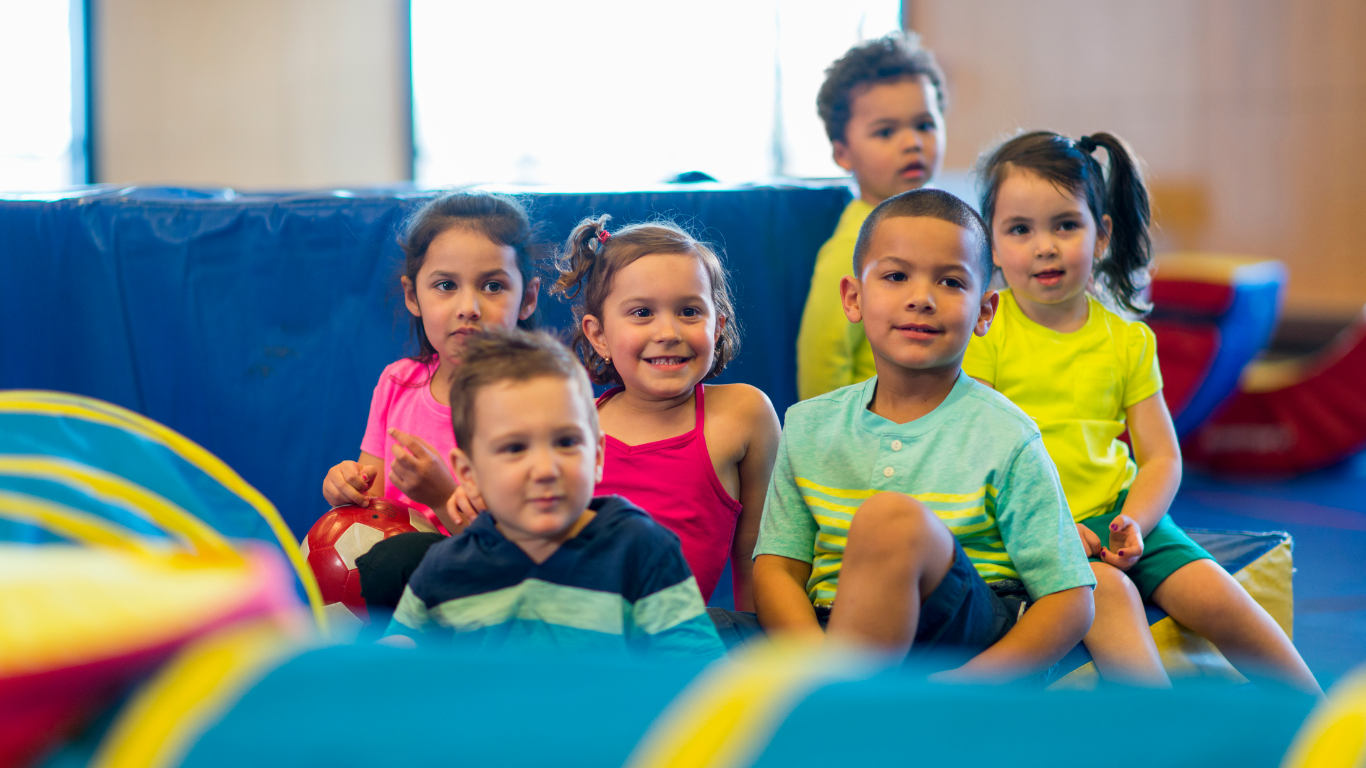
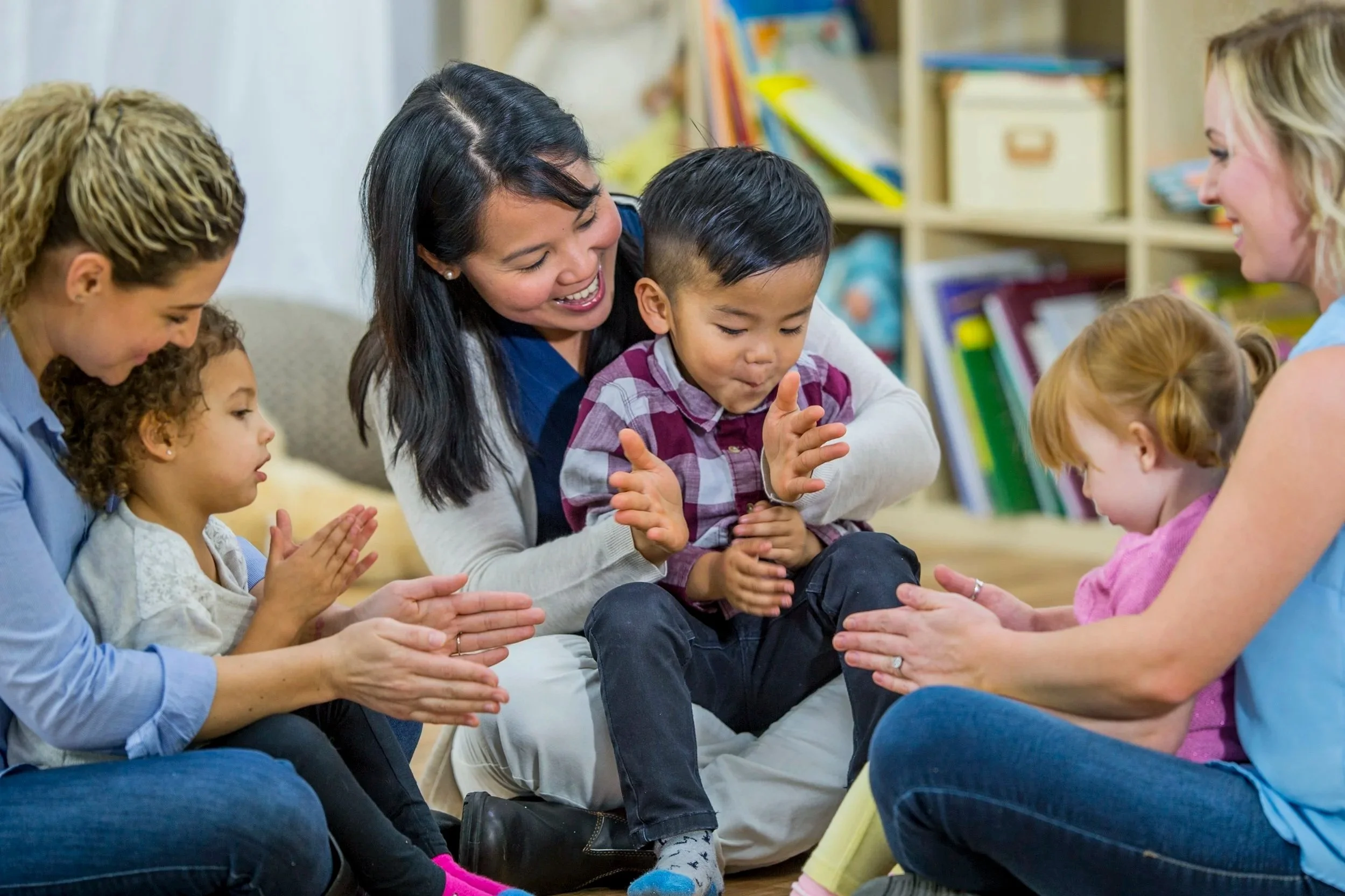
Free weekly play group for families with children 0–5
Early intervention: developmental screenings and specialist teacher appointments on request. Fun and engaging educational play-based activities, morning tea provided
Please like and share our Facebook page to help us reach more families.
-
Workshop
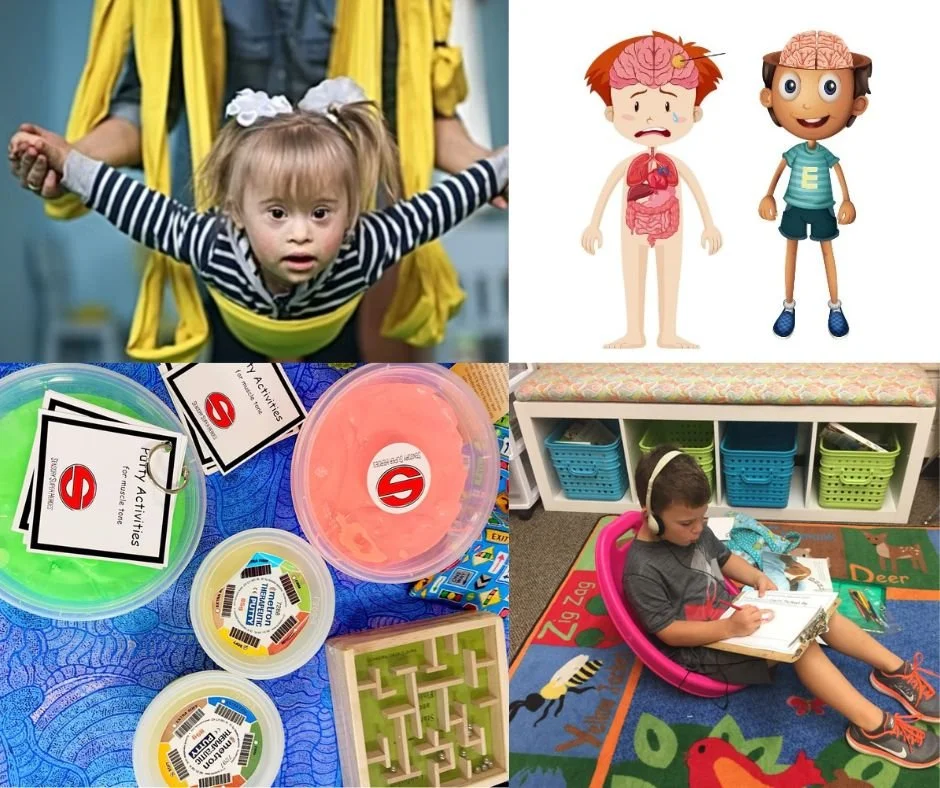
Understanding your child’s sensory processing needs
-
Circle Of Security Parenting and Classroom
The Circle of Security Parenting™ program is based on decades of research about how secure parent-child relationships can be supported and strengthened.
-
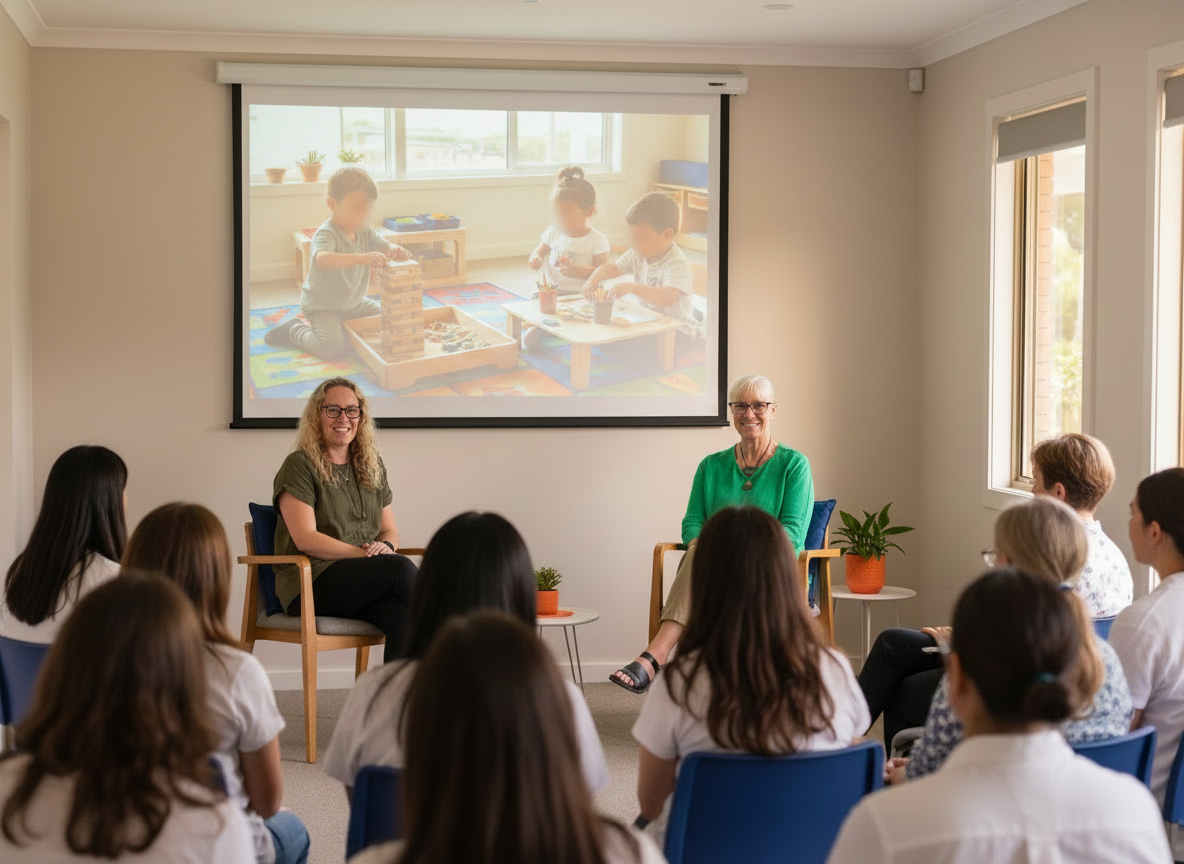
The Incredible Years® Program Helping Autistic Children (2-5yrs) in the Early Years: Parents and Teachers as Partners
The Incredible Years program supports parents and teachers of preschool children with autism by building practical, evidence-based skills that strengthen relationships, reduce stress, and support positive behaviour and learning. Participants learn how to use predictable routines, clear and simple instructions, and positive attention (including play, praise, and encouragement) to increase engagement and cooperation. The program also teaches strategies for teaching social and emotional skills (like turn-taking, coping with big feelings, and problem-solving), and for responding to challenging behaviour with calm, consistent limits and planned responses that reduce escalation. For educators, learning focuses on creating an inclusive classroom environment through proactive behaviour supports, visual and environmental adjustments, and partnering with families so strategies are consistent across home and early learning settings—helping children feel safe, understood, and ready to participate.
-
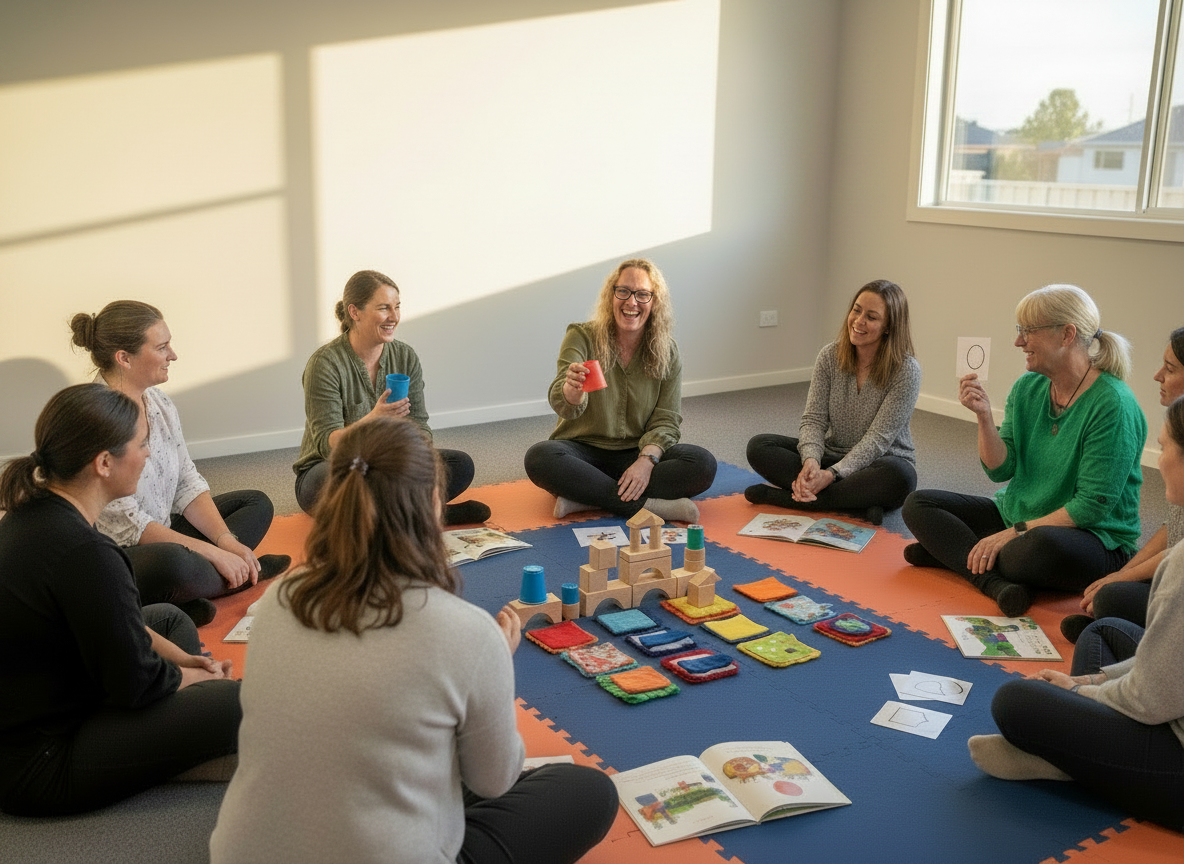
The Incredible Years® Program Incredible Teachers
The Incredible Teachers Program with Together We Grow Foundation supports early childhood educators to build warm, predictable, and inclusive learning environments where every child can thrive. Through practical, evidence-based strategies, teachers strengthen positive relationships, use proactive classroom routines, and respond to challenging behaviour with calm, consistent guidance that protects connection and learning time. Educators learn how to promote children’s social and emotional skills (like friendship, turn-taking, and emotional regulation), partner effectively with families, and adapt everyday moments—group times, transitions, play, and peer interactions—so children with additional needs can participate with confidence. The focus is on realistic tools teachers can use straight away, backed by coaching, reflection, and a strengths-based approach that supports both educator wellbeing and child outcomes.
-
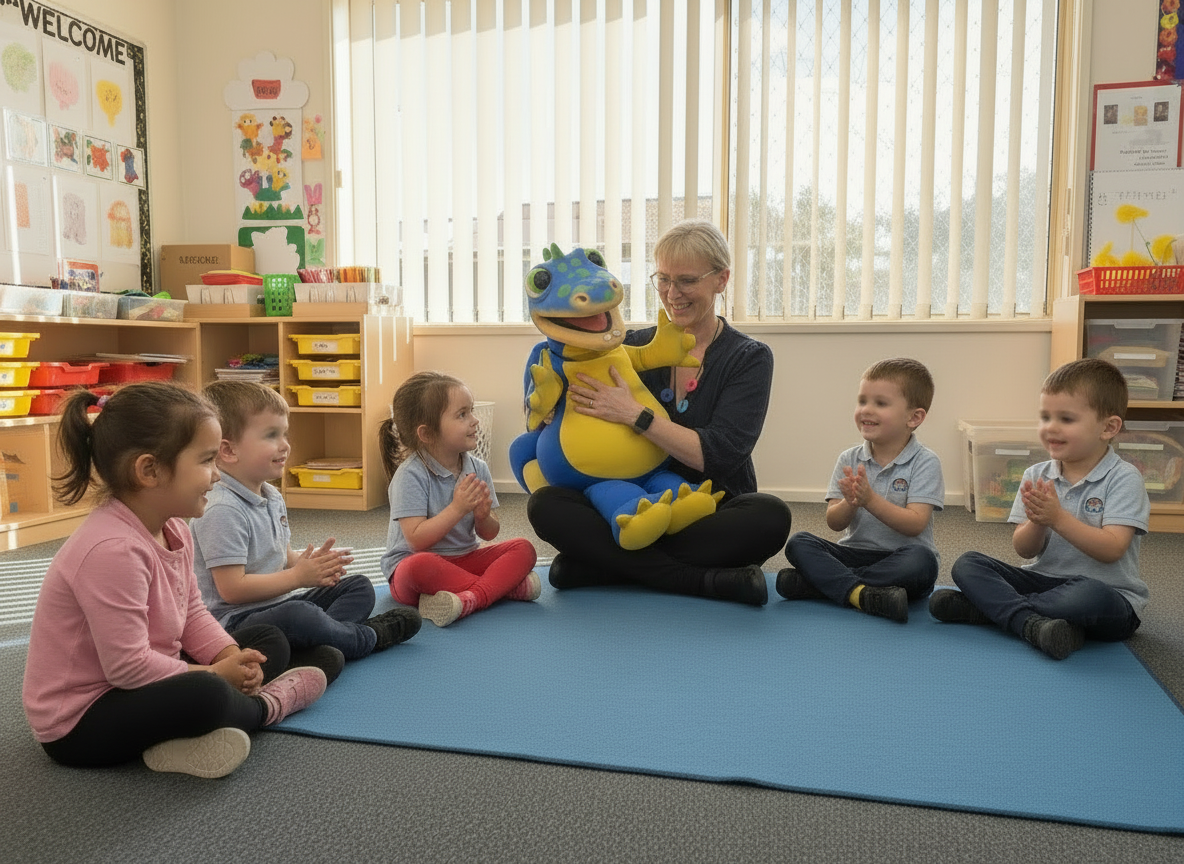
The Incredible Years® Program The Small Group Dino Program
The Incredible Years Small Group Dino Program helps young children build the social, emotional, and self-regulation skills they need to succeed in play, learning, and friendships. In a fun, structured small-group setting, children practise recognising feelings, using calm-down strategies, listening and following directions, taking turns, problem-solving, and handling frustration in safe, supported ways. Through play-based activities, stories, role-play, and games, facilitators explicitly teach skills like sharing, joining in, coping with “no” or “wait,” and repairing relationships after conflict. The program is especially helpful for children who find big feelings, transitions, or peer interactions tricky, and it works best when families and educators are supported to use the same language and strategies across home and early learning environments.